
 Sally Layton
 Most of us have been there: a stunning dress catches your eye on the high street, the price is right, and it feels like a dream. You take it home, wear it twice, and suddenly it’s pilling, losing its shape, or unraveling at the seams. It’s a frustrating cycle that leaves wardrobes full but offers little genuine value. In fact, a recent report highlighted that a significant portion of clothing bought today is worn less than ten times before being discarded. That’s a staggering amount of waste for garments that often feel like they’re designed for obsolescence. The problem isn’t just about money; it’s about the wasted time, the fleeting joy, and the environmental impact of constantly replacing what should last.
This isn’t to say the high street is a wasteland of poor quality. Far from it. The real challenge lies in distinguishing the fleeting trends from the genuine finds, the dresses designed to last from those destined for the donation bin after a couple of washes. It requires a bit of an education, a keen eye, and a strategic approach. We want dresses that flatter, feel good, and stand up to real life, all without requiring a second mortgage. The good news? These gems exist, and with the right knowledge, you can uncover them.
The Hidden Cost of “Fast Fashion” Bargains
The allure of a cheap, trendy dress is undeniable. Walk into any major high street store, and you’re bombarded with new styles arriving daily, often at prices that seem too good to be true. And often, they are. This relentless churn, known as fast fashion, has a profound impact not just on your wallet in the long run, but also on the environment and the quality of the garments themselves. The pressure to produce quickly and cheaply often means compromises are made on materials, construction, and ethical labor practices.
When a dress costs less than a takeaway meal, it’s a strong indicator of the compromises involved. Manufacturers might opt for the cheapest synthetic fibers, cut corners on stitching, and employ production methods that prioritize speed over durability. This results in garments that quickly lose their shape, fade, pill, or fall apart. What initially feels like a bargain turns into a recurring expense, as you’re forced to replace items more frequently. This cycle not only empties your bank account faster than expected but also contributes to the massive problem of textile waste. Landfills are overflowing with discarded clothing, much of which is synthetic and will take hundreds of years to decompose, if ever. Understanding these hidden costs helps shift our mindset from immediate gratification to long-term value, even within the budget constraints of high-street shopping.
The Environmental Burden
Beyond the personal cost, the rapid consumption and disposal of fast fashion items place an immense burden on the planet. The production of cheap textiles often involves extensive water usage, chemical dyes, and non-renewable resources like crude oil for polyester. Transporting these garments globally also adds to carbon emissions. When these items are quickly discarded, they contribute to landfill waste, where synthetic fabrics can take centuries to break down, releasing microplastics into the environment. Even natural fibers, if dyed with harmful chemicals, can pollute soil and water as they decompose. Choosing durable high street dresses, even if they cost a little more upfront, is a small but significant step towards mitigating this environmental impact. It encourages a more thoughtful approach to consumption, shifting away from a disposable mindset.
The True Value of Durability
Investing in a high street dress that lasts isn’t just about saving money in the long run; it’s about building a wardrobe of items you genuinely love and feel good wearing. A durable dress withstands repeated washes, maintains its fit, and continues to look good season after season. This means less time shopping for replacements and more time enjoying your clothes. It fosters a sense of personal style that isn’t dictated by fleeting trends but by quality pieces that integrate seamlessly into your life. Furthermore, better-quality garments often feel more comfortable and drape better on the body, enhancing your overall appearance and confidence. This shift from quantity to quality is a powerful one, even when navigating the budget-friendly aisles of the high street.
Understanding Dress Silhouettes for Your Best Look

Finding a dress that flatters your body shape is to looking and feeling great. The high street offers an overwhelming array of silhouettes, and knowing which ones work best for you can save countless hours in changing rooms. It’s not about hiding your body but accentuating your favorite features and creating balance. There’s a dress for every body, and understanding the basics of popular shapes will empower your shopping decisions.
- The A-Line Dress: This classic silhouette is universally flattering. Fitted at the waist and gently flaring out to the hem, it creates a balanced look. It skims over hips and thighs, making it ideal for pear shapes or those who prefer a less fitted lower half. Look for A-line dresses in stiffer fabrics like cotton or linen for a more structured look, or softer rayons and viscose for a fluid drape.
- The Wrap Dress: A true wardrobe hero, the wrap dress is incredibly versatile. Its adjustable waist allows for a custom fit, cinching you in at the narrowest part of your torso and creating an hourglass effect. The V-neckline is also generally flattering. This style works well for almost all body types, from apple to hourglass, as it can be adjusted to individual proportions. Brands like Zara and Mango often feature excellent, affordable wrap dresses.
- The Shirt Dress: Borrowing elements from a classic button-down shirt, the shirt dress offers a relaxed yet polished aesthetic. It often features a collar, button-front, and can come with a tie-waist or be worn loose. This style is fantastic for those seeking comfort without sacrificing style, and it’s particularly good for apple or rectangular body shapes as it can create definition.
- The Slip Dress: Elegant and minimalist, the slip dress drapes fluidly over the body. It’s often cut on the bias, which allows it to mold gently to your curves without clinging tightly. While it might seem intimidating, a slip dress can be incredibly chic, especially when layered over a t-shirt or under a blazer. It suits leaner frames or those who appreciate a less structured, sensual look.
- The Empire Waist Dress: This style features a fitted bodice that ends just below the bust, from which the rest of the dress flows loosely. It’s excellent for creating a long, lean line and is often chosen by those who want to skim over the stomach or hip area. It’s also a popular choice for maternity wear due to its comfortable and forgiving fit.
The Effortless A-Line
The A-line dress remains a cornerstone of thoughtful dressing because of its inherent ability to flatter a wide array of figures. Its gentle flare from the waist or hips creates a harmonious silhouette, camouflaging areas you might be less confident about while highlighting a defined waist. This shape lends itself to various occasions too, transitioning easily from a casual daytime look with sandals to an evening ensemble with heels and statement jewelry. When scouting for an A-line, pay attention to the waist placement: an empire-waist A-line will lengthen the body, while a natural-waist A-line emphasizes the smallest part of your torso.
The Flattering Wrap
There’s a reason the wrap dress has endured as a fashion staple for decades. Its genius lies in its adjustable nature. The tie-waist feature allows you to customize the fit, ensuring it’s never too tight or too loose, and always accentuating your natural waistline. The V-neckline is universally flattering, elongating the neck and drawing attention upwards. Whether you have an hourglass figure, a pear shape, or a more athletic build, a well-chosen wrap dress adapts to your contours, providing both comfort and elegance. Look for quality fabrics like a heavier viscose or Tencel blend on the high street for a drape that truly elevates this timeless style.
Key Fabrics and Construction Details to Prioritize
Before even considering the style, a dress’s longevity and comfort hinge on its fabric and how it’s put together. High street treasures often hide in plain sight, distinguishable by these fundamental details. Ignoring them is a common mistake that leads to disappointing purchases. Learning to recognize good quality textiles and construction techniques is a skill that will serve your wardrobe well for years.
Many fast fashion pieces rely heavily on cheap, thin polyester. While polyester has its place for specific performance needs, for everyday dresses, it often feels less breathable, can contribute to static, and can look cheaper over time. Conversely, a dress made from a good quality cotton, linen, or a substantial viscose blend will offer better drape, breathability, and durability. Don’t be fooled by the initial look; touch is key. Feel the fabric between your fingers. Does it feel substantial? Does it have a natural texture? Does it spring back when gently crumpled, or does it hold wrinkles excessively? These tactile clues are vital indicators of material quality.
Natural Fibers vs. Synthetics
When searching for high street dresses that last, prioritizing natural fibers or high-quality blends is a smart move. Cotton is breathable, durable, and generally easy to care for, making it excellent for casual and summer dresses. Look for denser weaves or organic cotton for an elevated feel. Linen, though prone to wrinkles, is incredibly strong, breathable, and develops a beautiful softness with wear; it’s perfect for relaxed, chic styles. Viscose (also known as rayon) is a semi-synthetic fiber derived from wood pulp. When high quality, it can mimic silk’s drape and breathability, making it ideal for fluid dresses. Be wary of very thin, flimsy viscose, which can stretch out easily. As for synthetics, a thicker, textured polyester can sometimes work, especially in structured garments, but avoid thin, shiny versions that scream “cheap.” Blends, such as cotton-linen or viscose-polyester, can combine the best properties of each, offering durability, drape, and wrinkle resistance.
Inspecting Seams and Zippers
Beyond the fabric, the construction of a dress is a major indicator of its potential lifespan. Take a moment to inspect the seams. Are they straight and even? Are there loose threads hanging? High-quality garments typically have neatly finished seams, often with an overlock stitch, to prevent fraying. Check inside the garment if possible. Look for double-stitched seams in stress areas like armholes and side seams. Weak, uneven stitching is a sign that the dress won’t withstand much wear or washing. Zippers should be sturdy, lie flat, and operate smoothly without snagging. A good zipper, often metal or a robust plastic, should be securely sewn in, preferably with a concealed placket for a cleaner finish. Buttons should be firmly attached and buttonholes neatly sewn, without loose threads that could unravel. These small details collectively speak volumes about the overall craftsmanship and durability of a high street dress.
Top High Street Retailers for Quality Dresses in 2026

Navigating the vast landscape of high street fashion for quality dresses can be daunting. However, certain retailers consistently deliver on style, fabric, and construction that punches above their price point. While no high street brand is immune to varying quality across collections, these stand out for their more consistent offerings, making them reliable starting points for your search for durable, stylish pieces in 2026.
| Retailer | Typical Dress Styles | Quality Focus | Price Range (Dresses) |
|---|---|---|---|
| &Other Stories | Feminine, fashion-forward, contemporary; elegant prints, modern silhouettes (midi, maxi) | Higher-end fabrics (viscose, Tencel, wool blends, quality cotton), attention to detail, strong design identity | £60 – £150 |
| COS | Minimalist, architectural, relaxed tailoring; clean lines, oversized silhouettes, elevated basics | Premium natural and recycled fabrics (organic cotton, linen, responsibly sourced viscose, Tencel), durable construction, timeless appeal | £70 – £180 |
| Marks & Spencer | Classic, versatile, workwear-friendly; strong in midi dresses, shirt dresses, occasion wear | Reliable cotton, linen, jersey, and smart synthetic blends; good fit consistency, strong ethical sourcing initiatives | £35 – £75 |
| Mango | Trendy, bohemian, chic; wide range from casual sundresses to sophisticated evening wear | Often good quality natural-feel fabrics (viscose, cotton, linen) in their mid-range collections; stylish designs for fashion-conscious shoppers | £40 – £100 |
&Other Stories: Elevated Everyday
&Other Stories has carved out a niche for itself by offering dresses that feel distinctly designer-inspired without the prohibitive price tag. Their collections often feature unique prints, interesting textures, and silhouettes that are both current and timeless. You’ll find a strong emphasis on flowy midi and maxi dresses in quality viscose, Tencel, or substantial cotton blends. Their designs frequently incorporate thoughtful details like puff sleeves, intricate embroidery, or tailored waistlines, making each piece feel special. While their prices are at the higher end of the high street, the investment often pays off in terms of design, fabric quality, and how long the dress remains a favorite in your wardrobe.
COS: Minimalist Durability
For those who appreciate clean lines, minimalist aesthetics, and an emphasis on sustainable materials, COS is a standout choice. Their dresses are often crafted from premium organic cotton, robust linen, or innovative recycled fabrics, designed to last both in terms of physical durability and style relevance. You won’t find fleeting trends here; instead, expect thoughtfully designed pieces with architectural cuts, oversized yet flattering shapes, and a palette of sophisticated neutrals. A COS dress might be more of an investment, but it’s an investment in a piece that will serve as a versatile foundation for many years, easily dressed up or down. Their commitment to fabric quality and construction is evident in every garment.
Marks & Spencer: Reliable Staples
Marks & Spencer, a stalwart of the British high street, continues to be a reliable source for quality dresses, especially for everyday wear and smart-casual occasions. They excel in offering classic shapes like the midi shirt dress, versatile jersey numbers, and smart occasion wear that fit well and stand the test of time. Their strength lies in consistent sizing and a commitment to using decent quality fabrics, including pure cottons, linens, and well-developed synthetic blends that perform well for their intended purpose. While perhaps not as overtly fashion-forward as some competitors, M&S dresses offer unparalleled wearability and value, often featuring details like pockets and comfortable linings that enhance their practicality. For dependable, well-made staples, M&S remains a top contender.
Finding Your Perfect Fit: Common Sizing Pitfalls
One of the most frustrating aspects of high street shopping is the sheer inconsistency of sizing. You might be a size 10 in one store and a 14 in another, or even find variations within the same brand’s collection. This phenomenon, often dubbed “vanity sizing,” makes online shopping a gamble and in-store trials a necessity. Understanding these sizing pitfalls is crucial to finding a dress that genuinely fits and flatters, rather than one that just bears a label.
It’s vital to remember that dress sizes are not standardized across the industry. Brands create their own sizing charts, often tailoring them to their target demographic or to make customers feel better about a smaller number on the tag. This means focusing less on the number and more on the actual garment’s measurements and how it feels on your body. Never be afraid to try on multiple sizes, or even pick up a size larger or smaller than you typically wear, especially when shopping across different brands. The goal is a comfortable, flattering fit, not adherence to an arbitrary number. Always check a brand’s specific size guide if shopping online, and read customer reviews for feedback on whether items run small or large.
How do I deal with inconsistent sizing?
The best strategy for inconsistent sizing on the high street is to abandon the ‘number’ and focus on the ‘fit’. Firstly, measure yourself accurately: bust, waist, and hips. Keep these measurements handy, especially for online shopping. Secondly, always consult the specific size guide provided by each brand – these are often linked on product pages. Thirdly, read customer reviews. Shoppers frequently comment on whether an item runs true to size, small, or large. Finally, be prepared to try on a range of sizes when in-store. Grab your usual size, one size up, and one size down. The effort upfront saves the disappointment and hassle of returns later. Remember, a garment that fits well will always look better, regardless of the size tag.
What about vanity sizing?
Vanity sizing refers to the practice where clothing brands gradually adjust their measurements to make a smaller size number correspond to larger actual dimensions. This makes customers feel better about buying a ‘smaller’ size, potentially encouraging purchases. While it might give a fleeting ego boost, it contributes significantly to sizing confusion across brands. To combat vanity sizing, always refer to the garment’s actual measurements if available, rather than just the stated size number. Don’t assume your ‘usual’ size will fit across all brands or even all styles within the same brand. Focus on how the dress feels and looks on your body – if it’s comfortable, moves with you, and flatters your shape, that’s the correct size, irrespective of the tag.
The Best Versatile High Street Dress for Every Wardrobe
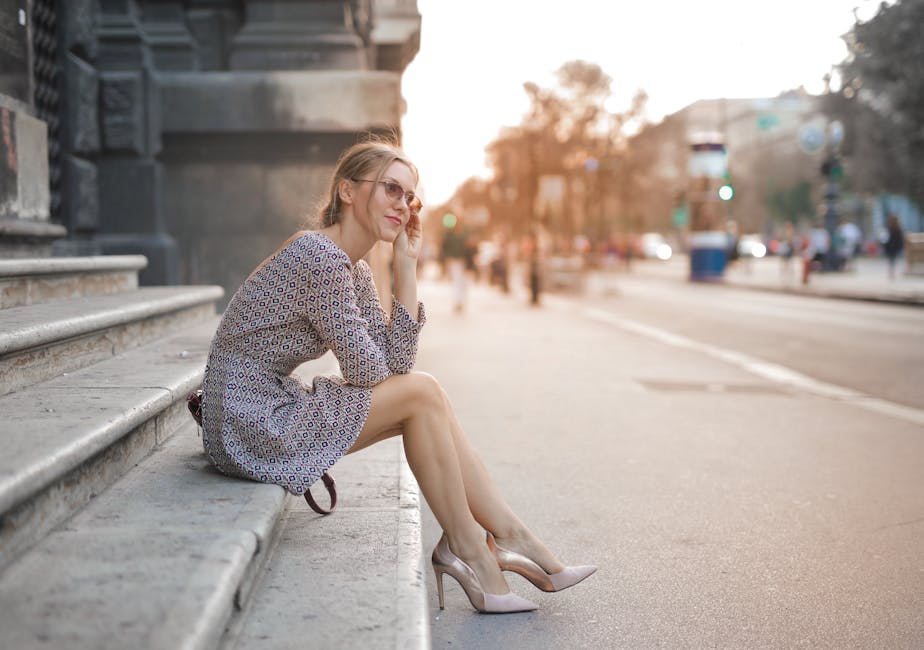
For sheer versatility, comfort, and enduring style, the button-front midi shirt dress is the undisputed champion of the high street for 2026. This isn’t just a trend; it’s a foundational piece that transcends seasons and occasions. Its inherent structure, combined with a comfortable midi length, makes it an incredibly adaptable garment that works for almost any scenario. You can dress it up for the office or an evening out, or keep it casual for a weekend brunch. It’s the kind of dress that earns its keep in your wardrobe, offering a myriad of styling possibilities and consistently delivering a polished, put-together look without much effort.
Brands like Marks & Spencer and Mango consistently offer excellent versions of the button-front midi shirt dress, often in quality cottons, linens, or substantial viscose blends. Look for one with a well-defined waist (either with an elasticated back or a fabric tie belt) and practical details like pockets. A typical price for a good quality version would be around £45-£70. This dress style works for a vast array of body types due to its adjustable nature (buttons can be undone for a more relaxed neckline, a belt can cinch the waist), and its midi length provides coverage while remaining chic. It truly is the ultimate workhorse dress.
Why a Midi Dress?
The midi length (falling anywhere from below the knee to just above the ankle) is arguably the most practical and elegant dress length. It offers comfort and modesty without sacrificing style, making it appropriate for a wider range of settings than mini or maxi dresses. A midi dress can transition effortlessly from day to night, from casual to formal, simply by changing accessories. Its balance means it pairs well with various shoe styles – from sneakers and flat sandals to heels and boots – further enhancing its versatility. For the high street shopper, a midi dress provides maximum wearability and a smart investment.
Investing in Accessories
Even the most budget-friendly high street dress can be elevated with the right accessories. A simple button-front midi shirt dress, for instance, can be transformed with a chunky belt, a statement necklace, or a silk scarf. Swapping out casual trainers for elegant heels instantly changes the dress’s vibe. Layering a tailored blazer or a chic cardigan over the dress can add polish and warmth. Don’t underestimate the power of a well-chosen handbag or a pair of earrings to complete and elevate your outfit. Investing in a few quality accessories allows you to create multiple distinct looks from a single high street dress, making your wardrobe work harder for you.
Extending the Life of Your High Street Dresses
Even the highest quality high street dress won’t last if not cared for properly. Many dresses end up discarded prematurely not because of inherent poor quality, but due to incorrect washing, drying, or general neglect. Extending the life of your garments is a key part of sustainable fashion and ensures you get maximum value and enjoyment from your purchases. It’s often simpler than you think, requiring just a few mindful habits.
Understanding fabric care labels is the first step. Different materials require different treatment. A delicate viscose dress will not fare well in a hot, aggressive wash cycle designed for sturdy cottons. Similarly, machine drying can shrink or damage certain fabrics. Beyond washing, simple repairs like re-sewing a loose button or mending a small tear can significantly prolong a dress’s life. Don’t relegate a dress to the back of the wardrobe for a minor issue that could be fixed in minutes. Thoughtful storage, such as hanging dresses on proper hangers to maintain their shape, also plays a crucial role.
The Right Wash Cycle
- Read the Label: This is non-negotiable. The care label inside your dress is your definitive guide. It tells you the maximum washing temperature, whether it can be tumble dried, ironed, or needs dry cleaning.
- Sort by Fabric and Color: Wash delicates (viscose, silk-like synthetics) separately from sturdy items (cottons, denim). Always separate colors to prevent dye transfer.
- Use Cold Water: For most high street dresses, especially those with prints or delicate embellishments, cold water is safest. It prevents shrinkage, fading, and reduces energy consumption.
- Gentle Cycle: Opt for a “delicate” or “hand wash” cycle on your machine. This minimizes agitation, protecting fibers and embellishments.
- Mesh Laundry Bags: For items with lace, embroidery, or thin straps, a mesh laundry bag offers an extra layer of protection against snagging and stretching.
- Air Dry When Possible: Tumble drying can be harsh on fabrics, causing shrinkage, damage, and pilling. Hang dresses on a padded hanger or lay them flat to dry, away from direct sunlight, to maintain their shape and integrity.
Simple Repair Tricks
Don’t let a small flaw turn into a discarded dress. Learning a few basic repair skills can save many garments from an early retirement. A loose button can be re-sewn in minutes with a needle and thread. A dropped hem can be quickly secured with a few hand stitches or even iron-on hemming tape. Small tears or holes can be patched or invisibly mended with a bit of practice. Even a snip on a loose thread, rather than pulling it, can prevent further unraveling. These seemingly minor actions are powerful ways to extend the life and wearability of your high street dresses, transforming them from disposable items into long-term wardrobe staples. Youtube tutorials are readily available for almost any common clothing repair, making it an accessible skill for everyone.
The journey to finding truly valuable high street dresses is less about luck and more about informed decision-making. By prioritizing quality fabrics, understanding construction, choosing flattering silhouettes, and extending the life of your purchases through proper care, you can build a stylish, durable wardrobe without breaking the bank. Our clear recommendation for anyone seeking a versatile, enduring piece is to invest in a well-made button-front midi shirt dress from a brand like Marks & Spencer or Mango, in a substantial cotton or quality viscose blend. This singular piece offers unparalleled adaptability and longevity, serving as a cornerstone for countless outfits for years to come.