 Sally Layton
 Forget the noise. When it comes to luxury wallets for men, only a few brands consistently deliver on craftsmanship, durability, and undeniable prestige. You want a wallet that makes a statement without shouting, a piece that feels substantial in hand and performs flawlessly for years. This isn’t about fleeting trends; it’s about investing in a foundational accessory that reflects true discerning taste.
You’re looking for quality that lasts, not just a logo. We’re cutting through the marketing fluff to tell you exactly which brands stand out and why they deserve your attention – and your money.
The Undisputed Kings of Men’s Luxury Wallets
Let’s be direct: if you want the absolute best, you’re looking at Hermes and Goyard. There’s no real competition at the pinnacle. These aren’t just wallets; they’re handcrafted heirlooms. You pay for unmatched artisan skill, the finest materials, and a heritage that few other brands can touch. Period. Anything else is a step down, however slight.
Hermes: Craftsmanship and Legacy
Hermes doesn’t just make wallets; they craft leather goods with an almost obsessive attention to detail. Their calfskin, particularly Chevre Mysore or Epsom, is legendary for its durability and how it ages. The stitching is perfect, hand-sewn with saddle stitches that are virtually indestructible. A Hermes wallet is a quiet flex. It’s not about flashy logos; it’s about the feel, the weight, the impeccable lines. Expect to pay a premium, often starting around $1,500 for a simple cardholder and going well into the thousands for a larger continental wallet like the Dogon or the Bearn. These pieces hold their value exceptionally well, often appreciating.
When you hold a Hermes wallet, you feel the density of the leather, the smoothness of the edges, and the precision of every cut. It’s an object designed to be used daily, to develop a unique patina over time. The hardware, if present, is usually solid palladium or gold-plated, never flimsy. The pockets are perfectly sized, and the lining, often in a contrasting color, is just as exquisite as the exterior. This isn’t just a purchase; it’s an acquisition of a piece of art that serves a practical purpose.
Goyard: Discretion and Pattern
Goyard operates on a different level of exclusivity. You won’t find Goyard in every major department store. Their distinct chevron pattern, hand-painted on coated canvas, is instantly recognizable to those in the know, yet subtle enough to avoid overt branding. Their leather trim and interiors are usually top-tier calfskin. Goyard’s wallets, like the Victoire or Saint Florentin, are slim, elegant, and incredibly tough. They are for the man who values discretion and a unique aesthetic over mainstream luxury. Prices typically start around $800 for cardholders and can exceed $2,000 for bi-folds, depending on the specific model and whether custom painting is involved.
The beauty of Goyard lies in its heritage and understated elegance. The Goyardine canvas, while durable, is lighter than many leathers, making their wallets exceptionally thin. Each piece is a testament to the brand’s 19th-century trunk-making origins, offering a blend of traditional craftsmanship and modern utility. The precise alignment of the chevron pattern, the way the canvas feels in hand, and the meticulous construction all contribute to its allure. It’s a choice for those who appreciate history and a subtle nod to luxury.
Material Matters: What You’re Truly Investing In
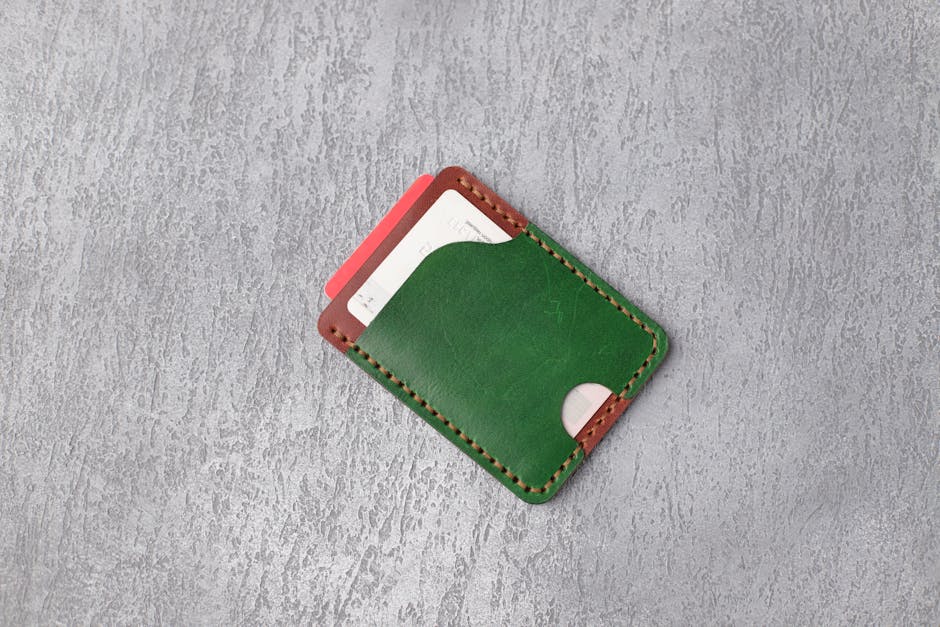
The leather, or lack thereof, is the backbone of any luxury wallet. It determines durability, feel, and how it ages. You want a material that can withstand daily abuse and still look good doing it. Don’t fall for “genuine leather” — that’s marketing speak for low-grade scraps. Focus on specific types; that’s where the real value lies.
Full-Grain Leather Superiority
This is the gold standard. Full-grain leather uses the entire hide, retaining its natural imperfections and strength. It hasn’t been sanded or buffed to remove marks, meaning it’s the most durable and develops the most beautiful patina over time. Think calfskin from French tanneries, like that used by Hermes, or vegetable-tanned leathers from Italy. These leathers are dense, smooth, and resistant to tears. They feel substantial and luxurious, improving with age rather than deteriorating. Expect to see natural variations in grain; this isn’t a flaw, it’s a mark of quality. A good full-grain leather wallet will last decades if properly cared for, becoming a personal artifact.
Exotic Skins: Risk and Reward
Exotic leathers like alligator, crocodile, stingray, or ostrich offer a distinct texture and unparalleled luxury. Alligator and crocodile are prized for their unique scales and incredible durability, but they come at a significant cost, often starting at several thousand dollars. Stingray is exceptionally tough and scratch-resistant, with a pebbled, iridescent finish. Ostrich leather is recognized by its distinctive quill bumps and softness. These materials demand expert craftsmanship to cut and sew correctly, preventing cracking or peeling. Be warned: cheap exotic leather is a scam. If the price seems too good to be true for genuine alligator, it probably is. Authentic exotic skins should feel supple, not rigid, and show natural scale patterns that aren’t perfectly uniform. These skins are definitely a statement, but ensure they are ethically sourced.
The Unseen Stitching
A wallet’s longevity is often dictated by its stitching. Hand-stitched wallets, particularly those using a saddle stitch, are superior. This method, where two needles pass through the same hole from opposite directions, creates an incredibly strong, interlocking seam that won’t unravel even if a thread breaks. Machine stitching, while faster, creates a chain stitch that can unravel easily. Look for perfectly even, tight stitches. Loose, irregular, or skipped stitches are red flags for poor quality. The thread itself should be durable, often linen or a high-quality synthetic, and waxed for added protection against wear and moisture. This seemingly minor detail is actually to the wallet’s structural integrity over years of use.
Assess Your Daily Carry: Cards, Cash, or Both? Before you commit to a luxury wallet, honestly evaluate what you carry daily. Are you a minimalist with just a few cards and a driver’s license? A slim cardholder is your best bet. Do you frequently handle cash and receipts? A bi-fold with dedicated bill compartments makes more sense. Don’t buy a bulkier wallet than you need; it ruins the line of your clothes and becomes uncomfortable. Functionality should always drive your form choice.
Mid-Tier Luxury: Getting the Most for Your Money
Not everyone needs a Hermes, and that’s fine. There’s a strong tier of luxury brands that deliver exceptional quality, design, and status without the stratospheric price tag. These brands are where you find excellent value – premium materials, solid construction, and recognizable prestige, typically ranging from $200 to $800. You’re still getting real luxury, just with a more accessible entry point. Don’t dismiss them; they punch well above their weight.
Montblanc’s Enduring Style
Montblanc, primarily known for its pens, produces excellent leather goods that embody classic elegance. Their wallets are typically crafted from fine Italian full-grain calfskin, often with a subtle, luxurious sheen. They focus on timeless designs: classic bi-folds, cardholders, and document wallets, all featuring the iconic Montblanc star emblem. Their pieces are understated, professional, and built to last. A Montblanc wallet like the Meisterstück 6-compartment wallet ($350-$500) offers a sophisticated, boardroom-ready aesthetic. The leather is supple but resilient, and the interior organization is always practical. These are reliable, high-quality choices for the man who values tradition and proven craftsmanship.
Bellroy: Smart Function, Modern Look
Bellroy is a different kind of luxury. They prioritize innovative design and smart functionality, using premium leathers from ECCO Leather and other gold-rated tanneries. Their focus is on reducing bulk without compromising capacity. Wallets like the Hide & Seek ($99-$120) or the Note Sleeve ($89-$109) are incredibly thin, yet cleverly designed to hold cards, cash, and even coins without bulging. While not as overtly “heritage” as Montblanc, Bellroy’s luxury lies in its intelligent engineering and commitment to sustainable, high-quality materials. They are a modern luxury brand, perfect for the tech-savvy professional who wants efficiency and sleek design. The leather is excellent, ages beautifully, and their warranty is strong. They truly excel at combining form and function.
Tom Ford: Bold and Unapologetic
Tom Ford is for the man who isn’t afraid to make a statement. His wallets reflect the brand’s signature blend of sleek modernism and sensual luxury. Expect supple, often slightly textured leathers, clean lines, and a minimalist design punctuated by his iconic ‘T’ hardware or subtle branding. A Tom Ford bi-fold wallet ($400-$700) is always sharp, often coming in rich, dark colors or striking exotics. These are fashion-forward pieces designed to be seen and admired. The quality of the leather and construction is impeccable, befitting the brand’s luxury positioning. If you appreciate a more edgy, contemporary aesthetic with an undeniable touch of opulence, Tom Ford delivers.
RFID Protection: A Necessary Evil? RFID (Radio-Frequency Identification) blocking technology prevents criminals from electronically scanning your credit card or passport information. Many modern luxury wallets incorporate this, often through a thin metal layer. While the threat might be overstated by some, it costs virtually nothing to include and adds a layer of peace of mind. If you travel frequently or carry contactless payment cards, it’s a smart feature to look for. Just ensure it doesn’t add unnecessary bulk. Good brands integrate it seamlessly.
Wallet Forms: Picking the Right Type for Your Life

The form factor of your wallet isn’t just aesthetic; it dictates how you interact with your money and cards daily. Choose wrong, and you’ll be constantly annoyed. Choose right, and it becomes an effortless extension of your daily routine. There’s no one “best” type; only the best type for you. Consider what you carry, where you carry it, and how often you access its contents.
- The Bi-Fold: Classic Carry
The quintessential men’s wallet, folding in half to secure bills and cards. Bi-folds offer a good balance of capacity and portability, typically featuring 6-10 card slots and a full-length bill compartment. They fit comfortably in most back pockets (though carrying in a back pocket is bad for your spine, use a front pocket or jacket). Brands like Montblanc and Tom Ford excel here, offering classic designs that are both functional and elegant. The main drawback is potential bulk if overstuffed.
- The Card Holder: Minimalist Essential
For the man who primarily uses cards and carries minimal cash. Cardholders are slim, often no thicker than a deck of cards, and designed to hold 3-6 cards. They fit perfectly in a front pocket or jacket interior without creating an unsightly bulge. They are inherently more sleek and modern. Luxury cardholders, like those from Saint Laurent or Louis Vuitton, are often a first entry point into high-end leather goods. They force you to be selective about what you carry.
- The Travel Wallet: Organized Journeys
Larger than a standard bi-fold, travel wallets are designed to hold passports, boarding passes, multiple currencies, and numerous cards. They are often zip-around or folio-style. These are not everyday carry items but indispensable for international travel. Brands like Smythson or Rimowa offer sophisticated travel wallets that keep all your essential documents secure and organized, making airport navigation significantly smoother. They prevent frantic searching at customs and gates.
- The Zip-Around: Maximum Security
Offering enhanced security, the zip-around wallet fully encloses its contents. Often larger, these can function more like small clutches or mini-folios, providing ample space for cards, cash, and even a phone. They are less traditional for men but gaining popularity for their peace of mind. While they offer superior protection against accidental spills or items falling out, they are inherently bulkier than traditional bi-folds or cardholders. This style is often seen from brands like Louis Vuitton or Bottega Veneta.
The Essential Cardholder Verdict
If you need just one luxury cardholder right now, make it the Saint Laurent Fragments zipped card case. It’s slim, holds more than you’d think, and the grained leather is incredibly durable. It strikes a perfect balance between subtle branding and undeniable quality. Simple, effective, and impeccably stylish.
Leather Care: Extend Your Investment’s Life A luxury wallet is an investment. Treat it like one. Avoid overstuffing, which stretches and deforms the leather. Keep it away from direct sunlight and extreme heat. For routine cleaning, wipe with a soft, dry cloth. Occasionally, use a high-quality leather conditioner specifically designed for the type of leather your wallet is made from – a tiny amount goes a long way. Never use harsh chemicals or abrasive cleaners. Proper care ensures your wallet develops a beautiful patina, rather than cracking or drying out.
Authenticity Check: Identifying a Genuine Luxury Wallet
The market is flooded with fakes. Buying a luxury wallet means you’re paying for genuine craftsmanship and materials, not a cheap knock-off. Knowing how to spot a counterfeit is crucial. Don’t rely solely on a receipt; inspect the item itself. If it feels off, it probably is. Trust your gut.
Is the Stitching Flawless?
Genuine luxury wallets, especially from brands like Hermes or Montblanc, will have immaculate stitching. This means even, tight, consistent stitches with no loose threads, skipped stitches, or uneven spacing. Counterfeiters often use machine stitching that looks rushed and imperfect, or they try to mimic hand-stitching poorly. Examine the seams closely, both inside and out. The thread should be robust and blend seamlessly with the leather. Any deviation is a major red flag.
What Does the Leather Feel Like?
Real luxury leather has a distinct smell and feel. It should be supple, not stiff or plasticky. Full-grain leather often has a subtle, earthy aroma, not a chemical smell. It will have natural variations in its grain and texture. Cheap fakes often use corrected grain or synthetic leather, which feels rigid, looks too uniform, and lacks the natural depth. Press your finger into the leather; a genuine hide will slightly wrinkle and then rebound. Fakes often show no give or retain a permanent crease. Pay attention to the edges too; luxury wallets will have expertly finished, painted, or rolled edges, not raw, rough-cut ones.
Are the Logos and Hardware Perfect?
Logos on genuine luxury wallets are precisely executed. They might be embossed, engraved, or subtly placed. On counterfeits, logos are often poorly stamped, off-center, or have sloppy edges. Check the font and spacing against official brand images. Hardware, such as zippers, snaps, or metal emblems, should feel substantial and high-quality. Zippers should glide smoothly without catching, often engraved with the brand name (e.g., YKK or RiRi zippers on some premium brands, though many luxury brands use custom-made hardware). Cheap hardware feels light, tinny, and scratches easily. Don’t overlook these small details; they reveal a lot about the overall quality.
Does it Come with Proper Documentation?
While not a foolproof guarantee, genuine luxury wallets often come with specific documentation: authenticity cards, dust bags, and original packaging. Examine these carefully. Are the fonts correct? Is the card stock high quality? Does the dust bag feel cheap or have a poorly printed logo? Be aware that sophisticated fakes will mimic these, so rely more on the physical attributes of the wallet itself. However, a complete absence of any documentation or generic, poorly made accessories should raise suspicion. Always purchase from authorized retailers or reputable secondary markets to minimize risk.
Luxury Wallet Showdown: A Quick Reference Guide
Picking the perfect luxury wallet boils down to balancing budget, style, and practicality. Here’s a quick summary to help you make the right call.
| Brand | Key Differentiator | Typical Price Range | Best For |
|---|---|---|---|
| Hermes | Unmatched craftsmanship, premium leathers, exclusivity | $1,500 – $5,000+ | The ultimate heirloom piece, quiet luxury aficionado |
| Goyard | Distinctive hand-painted pattern, understated exclusivity | $800 – $2,500+ | Discreet luxury, unique aesthetic, slim profile |
| Montblanc | Classic elegance, reliable full-grain leather, professional | $300 – $700 | Boardroom appeal, timeless style, proven quality |
| Bellroy | Innovative slim design, smart features, modern aesthetic | $90 – $150 | Minimalist, tech-savvy user, everyday practical carry |
| Tom Ford | Bold, contemporary design, sleek leathers, fashion-forward | $400 – $800+ | Statement piece, modern luxury, confident style |
| Saint Laurent | Edgy minimalism, durable grained leather, iconic YSL logo | $300 – $600 | Cardholder essential, modern minimalist, urban cool |
Choose wisely. A luxury wallet isn’t just a place for your money; it’s a reflection of your attention to detail and appreciation for enduring quality.