 Sally Layton
 Finding high-quality swimwear built to endure Australia’s harsh sun, saltwater, and chlorine is easier when you know what to look for. The best suits combine durable fabrics, robust construction, and a design that truly fits. Ultimately, investing in a piece from brands like Seafolly or JETS by Jessika Allen, which prioritize material integrity, will save you money and frustration over time compared to fast-fashion alternatives.
Prioritize Fabric for Lasting Australian Summers
For true longevity in Australian conditions, especially with frequent use, **chlorine-resistant and UV-protective fabrics are non-negotiable**. You will pay more upfront, but this choice saves money and hassle in the long run by preventing rapid deterioration. Brands specializing in performance or high-end leisure wear, such as Speedo Australia and Seafolly, often excel in this area, incorporating advanced fabric technologies designed to withstand the elements.
The Science of Chlorine Resistance: What to Look For
Chlorine is a primary enemy of swimwear. It breaks down elastane (Spandex/Lycra) fibers, leading to sagging, loss of shape, and a rough texture. To combat this, look for suits made from or blended with PBT (Polybutylene Terephthalate) or specific proprietary blends. Speedo’s Endurance+ fabric, for example, is PBT-based and offers 20 times more fade resistance than standard elastane, making it a benchmark for pool use. Another excellent option is Carvico’s Revolutional Eco or VITA fabrics, often made from ECONYL® Regenerated Nylon, which provide exceptional chlorine resistance and shape retention. These specialized materials are vital for anyone regularly swimming in chlorinated pools or even just dipping in the ocean, as saltwater also takes a toll on less resilient fibers. Standard nylon/spandex blends, while comfortable, will degrade much faster under these conditions.
UPF Ratings and Sun Protection
Beyond chlorine, the Australian sun demands serious consideration. Ultraviolet Protection Factor (UPF) is crucial for swimwear. A UPF 50+ rating means the fabric blocks 98% of UV radiation, significantly protecting your skin. This is not the same as SPF for sunscreen; UPF applies to fabric. Always check product tags for this rating, especially for rash vests or full-coverage suits. Many quality Australian brands, recognizing the local climate, incorporate UPF 50+ into their fabrics as standard. For example, a quality rash vest from Seafolly, often priced around $90-$120, will typically carry a UPF 50+ rating, adding a vital layer of sun protection beyond just coverage. Prioritizing UPF-rated swimwear reduces your reliance on sunscreen for covered areas and offers consistent protection even after prolonged water exposure.
Smart Shopping: Where to Find Quality & Value
Finding the right swimsuit involves more than just liking the design. It’s about knowing where to look and what hidden details indicate true quality. Don’t assume all “fashion” swimwear is built to last. Always check the fabric composition tag; this is your first clue to durability. Look for high-quality nylon/lycra blends (like Xtra Life Lycra) for superior stretch and recovery, or PBT for specific chlorine resistance needs. A suit that maintains its shape after multiple wears and washes is a sign of good fabric and construction.
Retailers That Stock Premium Australian Brands
When searching for quality Australian swimwear, start with trusted retailers. Major department stores like David Jones and Myer offer a curated selection of premium brands such as Seafolly, JETS by Jessika Allen, and Artesands. These stores often have dedicated swimwear sections with knowledgeable staff who can assist with sizing and fit. Online retailers like The Iconic are also excellent, providing a vast range of brands with detailed product descriptions, including fabric composition and care instructions. For performance-oriented options, specialized sports retailers or direct-to-consumer websites like Speedo Australia will be your best bet. Buying directly from a brand’s official website often provides access to their full collection, including specific styles and sizes not always available through third-party retailers. For example, a Seafolly one-piece, like the popular ‘DD-Cup Twist Front Bandeau One-Piece’, can be found at David Jones for around $190-$210, offering a blend of style and robust construction.
Understanding Construction: Stitching and Lining
The true test of a swimsuit’s quality often lies in its construction. Flatlock stitching, where seams lay flat against the fabric, is a hallmark of comfort and durability, preventing chafing and reducing seam stress. Inspect stress areas, such as where straps meet the body or around leg openings, for double-stitching or reinforced seams. These details signify a suit built to withstand repeated stretching and movement. Another critical factor is lining. A fully lined swimsuit provides opacity, adds structure, and significantly extends the garment’s life by creating two layers of fabric to absorb wear and tear. Partial lining, common in cheaper suits, can lead to transparency when wet or faster degradation of unlined areas. For instance, the Artesands ‘Delacroix D/DD Cross Front One-Piece’, typically priced around $190-$220, is known for its full body lining and robust construction specifically designed for larger cup sizes, showcasing how quality details enhance both fit and longevity.
Essential Checks Before Committing to a Swimsuit
Buying swimwear online is convenient, but nothing beats trying it on. Sizes vary wildly between brands and even styles, so a physical fit test is invaluable. Don’t rely solely on your usual clothing size; check specific size charts and, if possible, try before you buy.
The Fit Test: What to Look For
- Support Assessment: How much support do you need, especially if you have a larger bust? Look for features like underwire, side boning, adjustable straps, or thicker bands. For example, a JETS by Jessika Allen ‘Classique Plunge One-Piece’ (approx. $260) often incorporates soft cups and strategic paneling for excellent shaping and support without being restrictive.
- Movement & Comfort: Squat, stretch, walk, and even jump a little. Does the suit stay put? Does it ride up in awkward places? Does any part dig into your skin or feel overly tight? A quality suit should move with your body, not against it.
- Coverage Check: Ensure the suit provides the coverage you desire, whether that’s modest or minimal. Check that fabric isn’t pulling too tightly, which can lead to transparency or unflattering bulges. Remember that some fabrics stretch more when wet, potentially affecting coverage.
- Simulated Water Test: While you can’t jump in a pool at the store, imagine the suit wet. Will the fabric sag? Will lighter colors become transparent? Hold the fabric up to the light to gauge its opacity. Double-lined sections offer better peace of mind.
Inspecting Details: Straps, Hardware, and Seams
- Straps: Are they adjustable? Are they wide enough to distribute weight comfortably, especially for larger sizes? Look for sturdy elastic or self-fabric straps that won’t dig in or lose their elasticity quickly.
- Hardware: Examine any metal rings, adjusters, or clasps. Are they rust-proof? Look for coated metals, stainless steel, or high-quality plastic. Cheap metal hardware can corrode quickly in saltwater or chlorine, staining the fabric.
- Seams: Run your fingers along all seams. They should be smooth, even, and lie flat. There should be no loose threads or signs of puckering. Gently stretch the fabric along a seam to ensure it holds firm without gaping or showing excessive stress. Reinforced seams around leg openings and bust are a good sign of durability.
Best Brands for Everyday Performance & Style

For a blend of consistent quality, reliable performance, and stylish designs suitable for regular use in Australian conditions, **Seafolly** and **JETS by Jessika Allen** are top contenders. They consistently deliver suits that last and look good, balancing fabric technology with contemporary aesthetics. Both offer a wide range of sizes and fits, making them practical choices for most swimmers, whether for casual beach days or more active watersports.
Extend Your Swimwear’s Life: Care and Maintenance
The lifespan of even the highest quality swimwear heavily depends on how you care for it. A simple step can make a huge difference: always rinse your swimsuit immediately after every use, whether from the ocean or a pool. This flushes away corrosive chlorine, salt, sand, and sunscreens that break down fibers.
How should I wash my quality swimsuit?
Always hand wash your swimsuit in cold water. Use a very mild detergent, or even better, a specialized swimwear cleanser. Harsh soaps, bleaches, and fabric softeners can damage the delicate elastic fibers and dull colors. Gently squeeze out excess water; do not wring or twist, as this can stretch the fabric and distort the suit’s shape. For convenience, consider a no-rinse formula like Soak Wash, available for approximately $18 for a 375ml bottle, which is gentle and effective for delicate garments. This method preserves the integrity of the fabric and extends the suit’s vibrant appearance.
Can I machine wash my swimsuit on a delicate cycle?
Generally, no. Even a delicate machine cycle can be too aggressive for swimwear. The agitation, even minimal, can stretch and snag the fabric, damage delicate hardware, or cause padding to become misshapen. If machine washing is your only option, place the swimsuit in a mesh laundry bag, use the coldest water setting, and select the gentlest cycle available. However, for maximum longevity and to protect your investment, hand washing remains the gold standard.
How should I dry my swimsuit to prevent damage?
Proper drying is as crucial as proper washing. Never put your swimsuit in a tumble dryer. The high heat is extremely damaging to elastane fibers, causing them to break down rapidly, leading to sagging and loss of elasticity. Instead, lay your swimsuit flat on a clean towel or hang it in the shade. Direct sunlight, while a natural dryer, can cause colors to fade significantly and further degrade elastic over time. Ensure the suit is completely dry before storing it to prevent mildew or odors. This careful drying process maintains the suit’s shape, color, and fabric quality.
Comparing Leading Australian Swimwear Options
When selecting quality Australian swimwear, understanding the strengths of different brands helps you pick the best fit for your needs. Here’s a quick look at some key players:
| Brand | Key Strength | Typical Fabric Focus | Common Price Range (One-Piece) |
|---|---|---|---|
| Seafolly | Classic Australian style, good durability, wide range of fits | Nylon/Lycra, often with Xtra Life Lycra for stretch & recovery | $160 – $250 |
| JETS by Jessika Allen | Luxury, sophisticated designs, premium fabrics, excellent shaping | High-quality Italian fabrics, often with high Lycra content | $200 – $300 |
| Artesands | Curve fit specialty (D-G cups), support, comfort, stylish | Soft touch, high stretch nylon/elastane blends | $150 – $220 |
| Speedo Australia | Performance, extreme durability, chlorine resistance, athletic cuts | Endurance+ (PBT), Eco Endurance+ (recycled PBT), PowerFlex Eco | $80 – $160 |
| Bond-Eye Swim | Unique crinkle texture, one-size-fits-most adaptability, fashion-forward | Signature ‘crinkle’ stretch fabric (often nylon/elastane) | $180 – $250 |
What Sets Each Brand Apart?
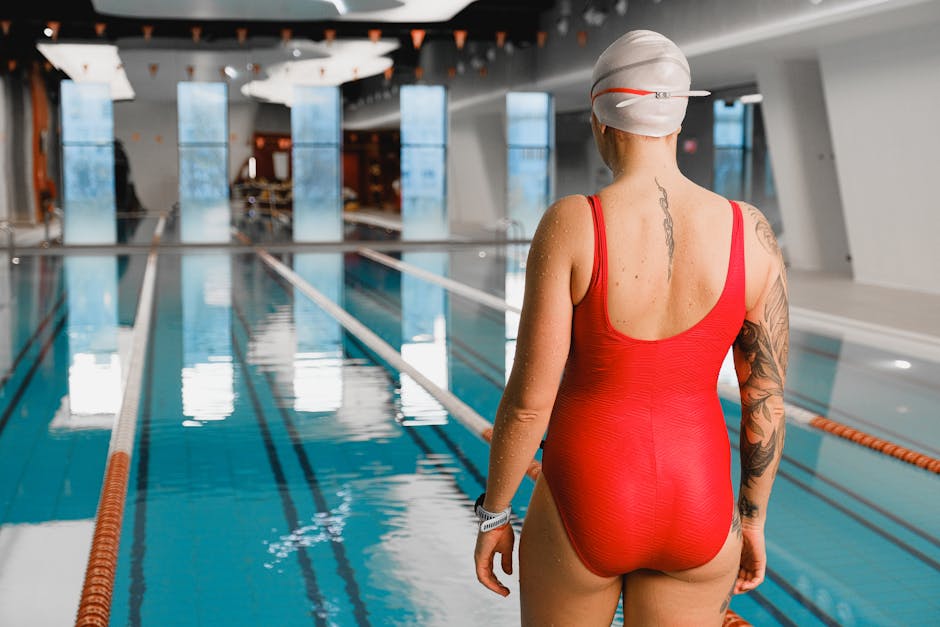
Speedo Australia is the undisputed leader for pure performance and chlorine resistance, ideal for lap swimmers or frequent pool-goers. Their Endurance+ line ensures your suit lasts through countless training sessions. Seafolly offers a balanced approach, providing both classic, stylish designs and reliable durability for everyday beach and pool use, with a wide array of sizes and support options. JETS by Jessika Allen targets the luxury market, focusing on sophisticated aesthetics and superior shaping through high-end fabrics and meticulous tailoring. For those needing specialized fit, Artesands excels in catering to D-G cup sizes, providing exceptional support and flattering designs for curvier figures. Lastly, Bond-Eye Swim stands out with its distinctive crinkle fabric, offering a comfortable, adaptable fit that works for a wide range of body shapes, making it a fashion-forward choice for casual wear.